Triggered email has the best economics in the channel, because relevance is
established before the email is written. The reader looked at something, asked for
something, or abandoned something. The design's only job is to make acting on that
easy.
The 23 designs in this collection are built around specific triggers.
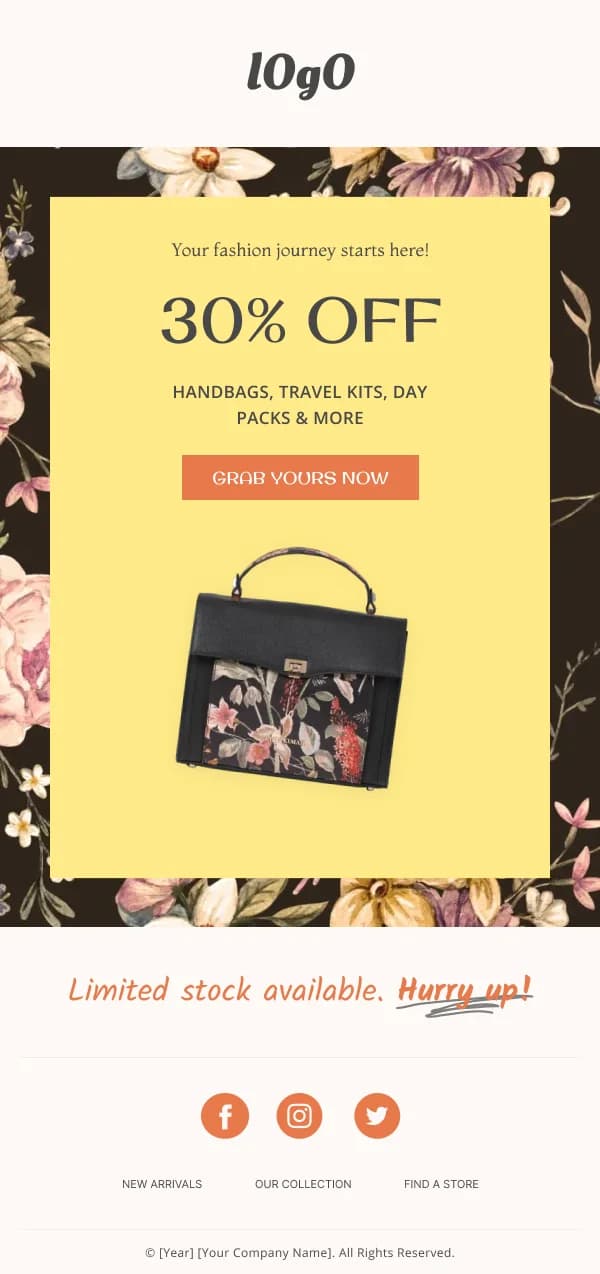
Show the thing
Every effective trigger email shares one property: the actual item is present, at
a decent size, at the price the reader saw. Not a category, not a related range —
the thing.
That sounds obvious and is frequently got wrong, usually because a generic template
is reused with a product grid where the single item should be.
Back-in-stock
The strongest trigger there is, and the simplest:
- The item, photographed, named, priced.
- A line confirming it is available now.
- One button to the product page.
- Honest scarcity if it is real — limited quantity, sizes remaining.
Speed matters more than anything in the design. A reader who requested a
notification is comparing you against whoever else has it.
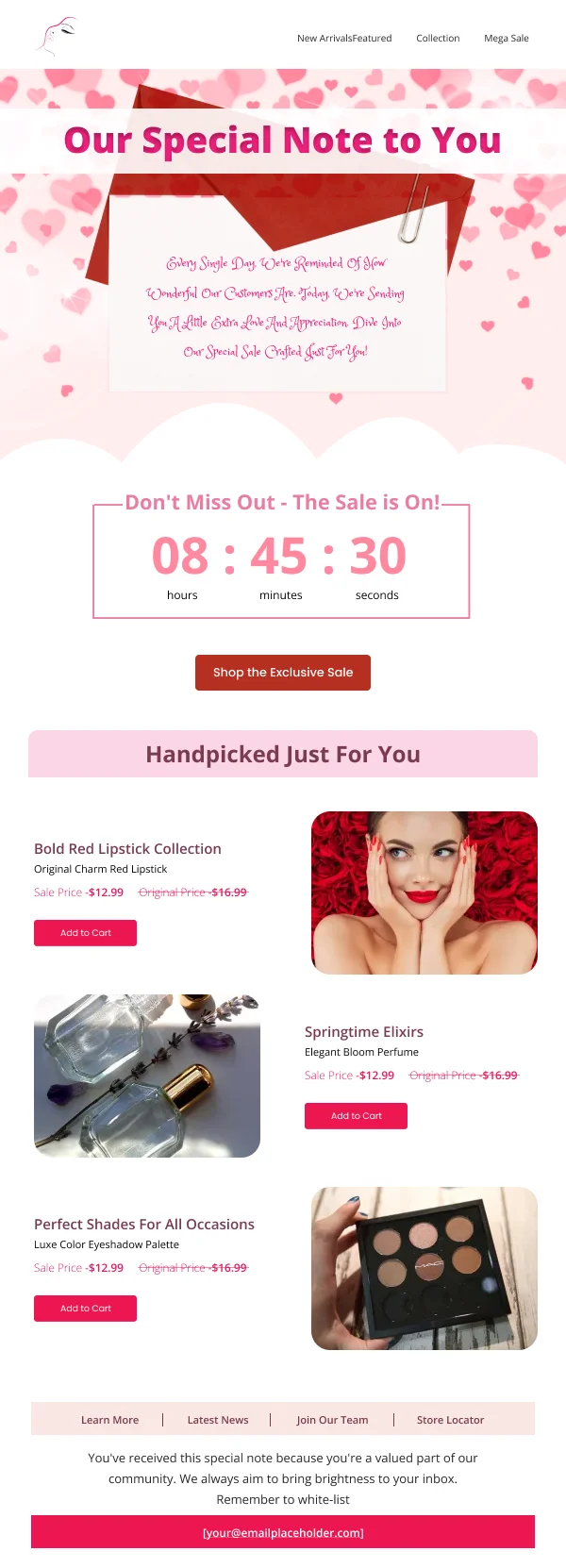
Price drop
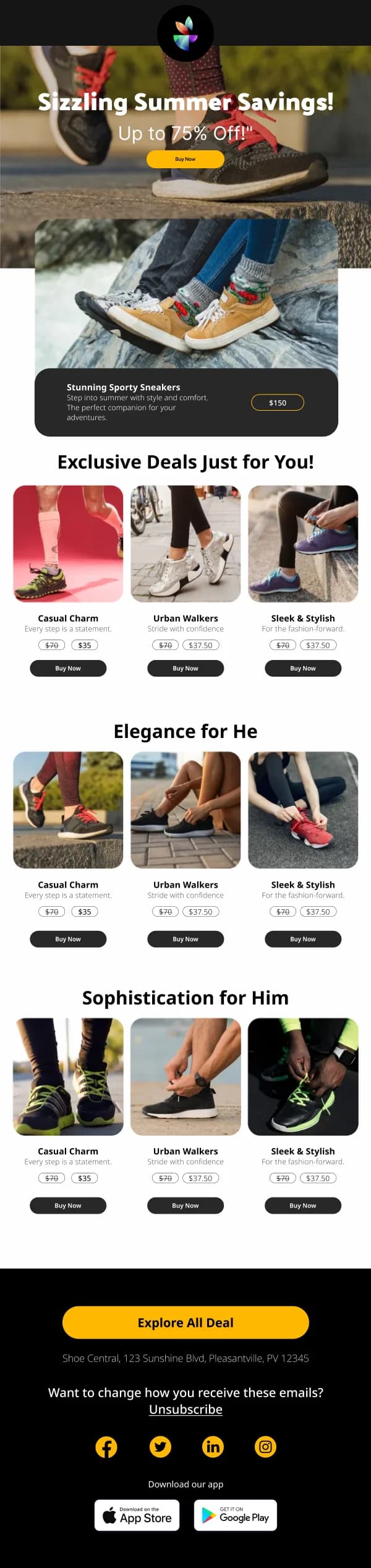
Effective and slightly risky: it teaches a segment to wait for the drop. The design
should be clear about the old and new price, both legible, and about what the offer
covers.
Where possible, restrict these to items the reader explicitly followed rather than
sending them broadly, which is what converts a useful alert into a discount habit.
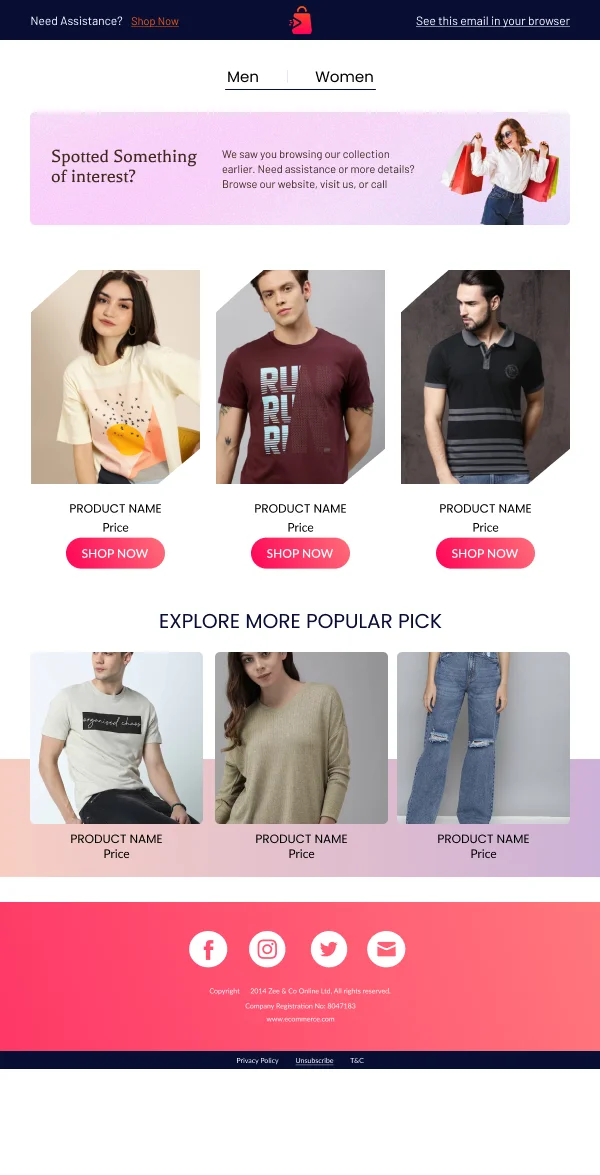
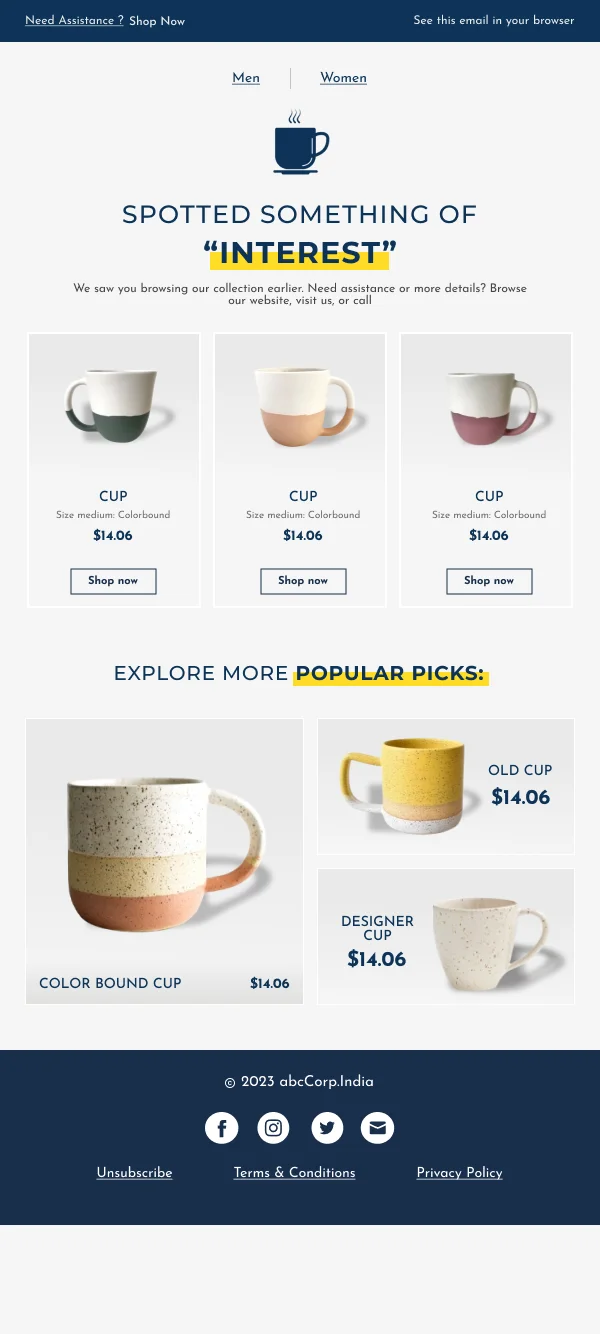
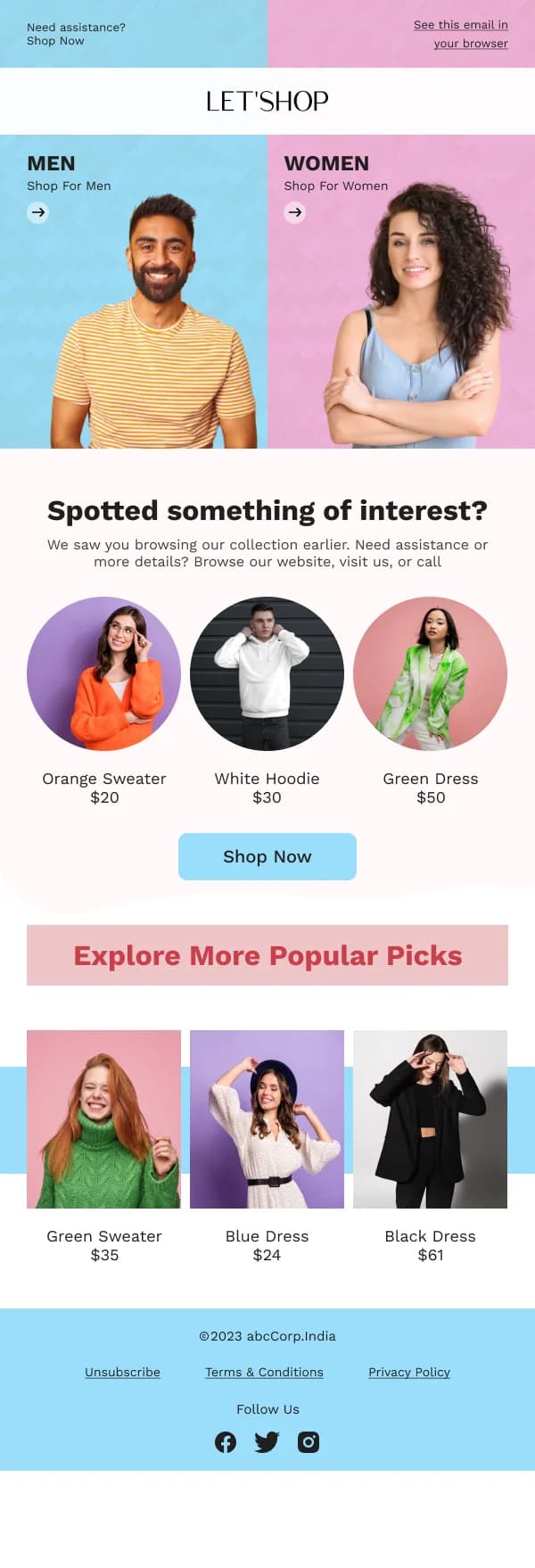
Browse abandonment
The difference between helpful and creepy is where the emphasis sits. Show the
product and offer assistance — sizing, stock, a similar option. Do not make the
tracking the subject of the sentence.
Two or three alternatives below the main item are more welcome here than in cart
recovery, because a browse without an add-to-cart often means the item was not
quite right.
Frequency and suppression
Triggered email compounds. A reader who browses, abandons a cart, and follows a
restock can receive three emails in a day from three separate flows, none of which
knows about the others.
That is a systems problem rather than a design one, but the design consequence is
worth stating: every trigger template in this collection is built to work as the
only email a reader receives that day, which means none of them assume prior
context that a suppressed sibling send would have provided.
Using these templates
Each file assumes it is the only email the reader gets that day, since triggered flows rarely know about one another. Checks: is the specific item
shown at the price the reader saw, is there exactly one primary action, does the
copy avoid dwelling on the tracking, and would the email still make sense as the
only one the reader gets.